How to Choose the Best Outdoor Patio Furniture?

Choosing the best Outdoor Patio furniture begins with observing how your space actually works. Measure the patio, note the afternoon sun, and watch where rainwater collects after a storm. A beautiful sofa may fail if its cushions stay damp or its frame blocks the walking path. Comfort matters, but so do drainage, maintenance, material quality, and proportion.

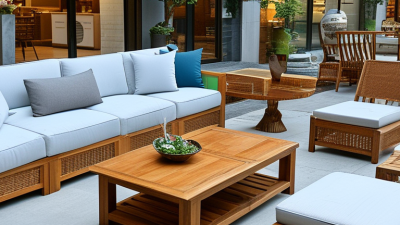
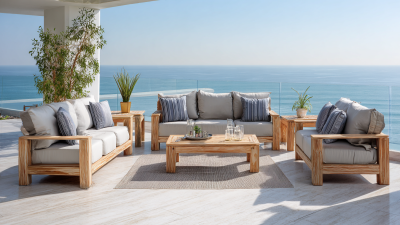
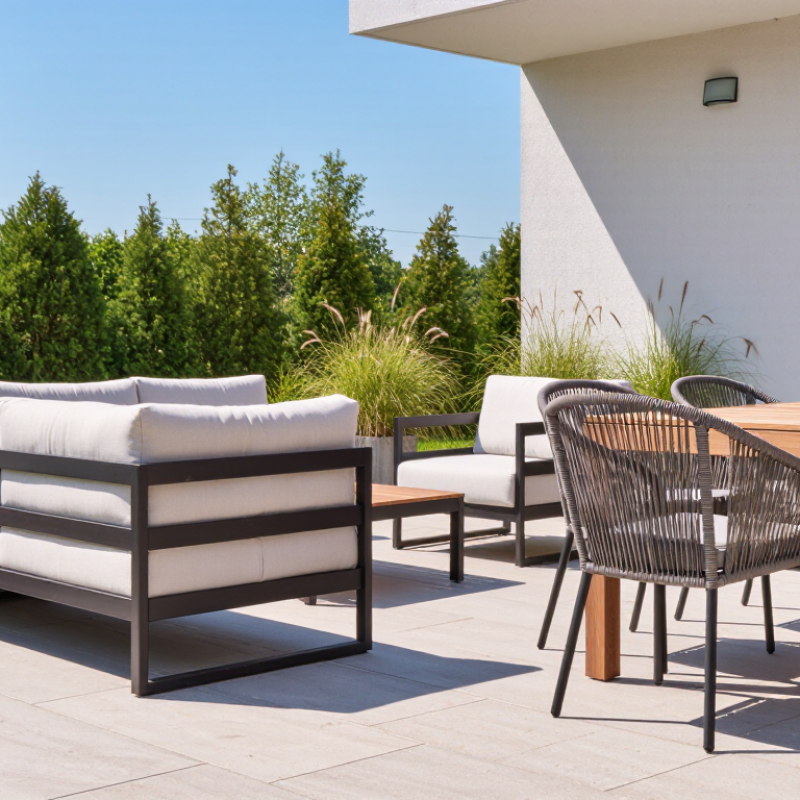
Landscape designer Jamie Durie has expressed a useful idea: “Outdoor living should feel like an extension of the home.” That principle can guide every purchase. Look for deep seating near the conversation area, a dining table that leaves enough room for chairs, and surfaces that tolerate spilled drinks and dusty hands. Powder-coated aluminum suits many exposed patios because it resists rust and remains relatively light. Teak offers warmth, though it still needs informed care. All-weather wicker can work well, but its internal frame deserves attention.

Do not trust appearance alone.

Sit on the chairs before ordering, when possible. Check whether the seat height feels natural with your table. Open storage boxes, inspect stitching, and read the warranty terms carefully. Reviews can reveal useful patterns, yet they can also reflect different climates and expectations. No checklist is perfect. I have seen attractive sets become uncomfortable after one season because buyers ignored ventilation beneath the cushions. The right Outdoor Patio furniture balances daily habits, local weather, available space, and long-term value. It should invite people outside, not create another fragile object to protect.
How to Choose the Best Outdoor Patio Furniture?

Assess Your Outdoor Space and Furniture Needs

How to Choose the Best Outdoor Patio Furniture?

Assess Your Outdoor Space and Furniture Needs

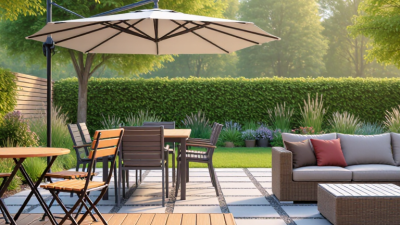
Begin by measuring the patio, including steps, railings, doors, and drainage areas. A table that fits on paper may block the doorway in real life. Leave at least 90 centimeters for comfortable walking around dining furniture. Mark the layout with cardboard boxes before purchasing anything. This simple test reveals awkward corners quickly.

Study the space at different times of day. Morning shade can become harsh afternoon sunlight. Check whether nearby walls create wind tunnels or protect the seating area. Wet ground also matters. Furniture placed near poor drainage may develop stains, rust, or mold faster. Choose materials that match your local weather and your willingness to maintain them. Low-maintenance options can be practical, but they are not always the most comfortable.

Then define how you actually use the patio. Do you host long dinners, read alone, or need room for children to move? Measure your existing cushions and compare their dimensions with new frames. I once chose a deep chair that looked inviting, yet its low seat made standing difficult. That mistake changed how I judge comfort. Sit for several minutes, test the arm height, and check whether cushions stay secure. Measure twice. Your space should support real habits, not an idealized outdoor lifestyle.

How to Choose the Best Outdoor Patio Furniture? - Assess Your Outdoor Space and Furniture Needs

Outdoor Space Type Typical Usable Area Primary Furniture Need Recommended Furniture Configuration Suggested Seating Minimum Circulation Space Important Assessment Factors
Small Balcony 3–6 m² Compact seating and light dining Two folding chairs with a small round or square table; stackable furniture is useful when floor space is limited. 2 people 60–75 cm around the main passage Measure railing position, door swing, drainage, wind exposure, and the maximum furniture depth.
Medium Balcony or Terrace 6–12 m² Relaxing, reading, and casual meals A compact loveseat or two lounge chairs paired with a coffee table or bistro table. 2–4 people 75–90 cm around seating and entrances Check afternoon sun, privacy, furniture weight, and whether cushions can be stored indoors.
Small Patio 12–20 m² Dining or multipurpose use A four-seat dining set, or a compact sofa with two armchairs and a coffee table. 4 people 90 cm behind dining chairs; 60 cm beside tables Decide whether dining or lounging is the priority, then reserve space for serving and movement.
Medium Patio 20–35 m² Separate dining and conversation zones Six-seat dining table plus a separate two- or three-seat lounge arrangement. 6–8 people 90–120 cm between furniture zones Consider traffic flow, shade coverage, grill placement, lighting, and access to the house.
Large Patio or Deck 35–60 m² Entertaining, dining, and relaxation A six- to eight-seat dining set, sectional or sofa group, side tables, and an outdoor storage unit. 8–12 people 100–120 cm for primary walkways Plan zones around sunlight, prevailing wind, views, drainage, and long-term weather exposure.
Poolside Area 20–50 m² Sunbathing and moisture-resistant seating Adjustable loungers, side tables, and occasional seating made from quick-drying or water-resistant materials. 4–8 people At least 90 cm around loungers and pool access points Prioritize non-slip stability, corrosion resistance, drainage, chlorine exposure, and easy cleaning.
Covered Porch 10–30 m² All-season conversation and dining Deep-seating sofa or chairs, a coffee table, and a small dining table if the porch is wide enough. 4–6 people 75–90 cm along entrances and windows Measure ceiling height, screen placement, ventilation, rain direction, and available cushion storage.
Selection Checklist: Measure the usable area, subtract door and gate clearances, define the main activity, allow comfortable circulation, and select materials suited to sunlight, rain, humidity, wind, and maintenance requirements.

Choose Durable Materials for Your Local Climate

Choosing patio furniture begins with your local climate, not a showroom photograph. NOAA’s 2023 Annual Climate Report recorded global temperatures about 1.18°C above the twentieth-century average. Hotter surfaces can accelerate fading, warping, and cracking. Select powder-coated aluminum for humid areas, but inspect the coating for chips that may expose the metal.

Rain deserves equal attention. The U.S. Environmental Protection Agency’s Climate Change Indicators report found that precipitation from very wet days increased about 4.8% between 1958 and 2022. In wet regions, use quick-drying cushions, breathable covers, and raised furniture feet. Teak and other dense hardwoods can perform well, but they still need cleaning and periodic inspection. “Weather-resistant” does not mean maintenance-free.

Coastal homes need a stricter test. Salt air can attack fasteners, joints, and hidden metal surfaces. Choose corrosion-resistant hardware and rinse frames regularly with fresh water. In dry, sunny climates, examine fabric ratings and UV-stabilized finishes. A chair left beside a white wall may reveal fading faster than one under shade. Small details matter.

I would not trust one material universally. A shaded balcony and an exposed pool deck have different demands. Check drainage after a storm, feel for loose joints, and question any product claiming permanent durability. Even good furniture can fail when water collects inside hollow frames.

How to Choose the Best Outdoor Patio Furniture?

Choose durable materials for your local climate by first considering annual moisture exposure.

In wet climates such as Miami and Seattle, prioritize powder-coated aluminum, stainless-steel fasteners, and quick-drying outdoor fabrics. In dry climates such as Phoenix, UV-resistant finishes and solution-dyed fabrics help reduce fading and cracking. In cold climates such as Minneapolis, choose rust-resistant frames and store cushions during freezing weather.

Data: Approximate 1991–2020 annual precipitation normals for representative U.S. locations, rounded from NOAA climate-normal records.

Compare Comfort, Size, Style, and Functionality

Choosing outdoor patio furniture starts with comfort, but comfort means more than thick cushions. I test a chair by sitting for several minutes, not just touching its fabric. The seat should support your lower back without pressing behind your knees. Breathable fabric helps on hot afternoons, while removable cushions make cleaning easier. Comfort matters. Dining chairs need upright support, but lounge chairs can have deeper seats. I once chose low chairs because they looked elegant, yet older guests struggled to stand. That mistake changed how I judge furniture.

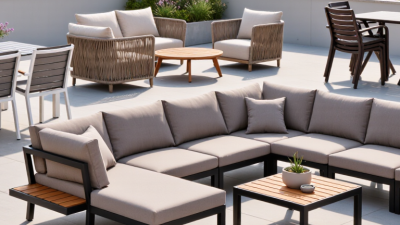
Measure the patio before comparing styles. Leave at least 90 centimeters for comfortable walking around tables and chairs. A small balcony may need folding pieces, while a large terrace can handle a sectional arrangement. Sketch the layout with paper or masking tape first. It feels unnecessary, but it prevents expensive errors. Style should suit the building, surrounding plants, and your maintenance habits. Light colors can make a narrow space feel larger, though they may show dirt quickly. Dark finishes look refined, but they can become uncomfortable in strong sunlight.

Functionality decides whether furniture remains useful after the first season. Check drainage holes, fabric care instructions, frame materials, and stated weight limits. Weather-resistant finishes help, but no material is maintenance-free. Stackable chairs save storage space, and tables with adjustable feet work better on uneven paving. I still underestimate wind on exposed patios. A lightweight chair may move across the floor overnight. Choose pieces you can clean, cover, rearrange, and actually use without constant frustration.

Evaluate Maintenance Requirements and Long-Term Value

How to Choose the Best Outdoor Patio Furniture?

Outdoor furniture should match your maintenance habits, not only your patio’s appearance. I inspect furniture after each wet season, especially around joints, cushions, and drainage holes. Water trapped inside frames often causes hidden corrosion. Small details matter.

Ask how each material handles sunlight, rain, and temperature changes. Powder-coated aluminum usually needs simple washing with mild soap and water. Stainless steel hardware can resist rust, but it still needs occasional cleaning near the coast. Untreated wood may require regular oiling or sealing. Cushions should have removable, washable covers and quick-drying filling. Check the care instructions before purchasing. They reveal the real workload.

Long-term value depends on repairability as much as appearance. Look for replaceable slats, screws, straps, and cushion covers. A low price can hide expensive replacement parts later. I once chose a beautiful chair with sealed cushions, and drying them after rain became frustrating. That was my mistake. Measure annual care costs, storage needs, and likely replacement dates. Keep furniture raised slightly from wet floors, and use breathable covers instead of plastic sheets that trap moisture. A strong warranty helps, but read its exclusions carefully. Salt air, stains, and fading may not be covered.

Select the Best Furniture Set Within Your Budget

How to Choose the Best Outdoor Patio Furniture?

Select the Best Furniture Set Within Your Budget

Start with your usable budget, not the showroom price. Reserve 10–15% for covers, cushions, delivery, and replacement hardware. According to Grand View Research, the global outdoor furniture market was valued at about $19.5 billion in 2023. Its projected growth reflects rising demand for durable, comfortable outdoor spaces.

For a practical set, divide spending by daily use. Put more money into seating frames and weather-resistant cushions. Choose simpler side tables if funds are limited. Aluminum, treated steel, and responsibly sourced hardwood each perform differently. Check drainage, UV resistance, warranty terms, and replacement-part availability. A low price can become expensive after one wet season. I once underestimated cushion storage. That mistake mattered.

Tips:

Measure the patio first. Leave at least 30 inches for walking space. Sit on every chair before buying. Test whether the table height suits your elbows. The 2024 Houzz & Home Study shows continued homeowner investment in outdoor improvements, but project spending varies widely by scope and location. Start with two chairs and a small table if your budget is tight. Add a sofa later.

Look for certifications or testing information from recognized industry bodies. The Business and Institutional Furniture Manufacturers Association provides durability standards for certain furniture categories, although not every patio product falls within its scope. Ask clear questions. Outdoor furniture still needs cleaning, shade, and seasonal protection. Fancy finishes do not remove maintenance.

Contact Us